COFFEE REVIEW: What makes an exceptional coffee?
Many young people today have opened their own coffee shops due to the rising popularity of coffee culture.

One example I know is Rj Lumawag, an award-winning journalist based in Davao, Philippines. “I always enjoyed a good cup of coffee, and it has always been a dream to open a coffee shop. In 2022, he officially launched Hid'n Coffee. “Coffee is embedded within our society,” he explained.
“Thus, coffee is something that lingers in the minds of people daily – we have meetings, we need to get coffee; after you time-in, people tend to prepare a cup of coffee before work or have one beside them; if someone is feeling drowsy in the afternoon, they tend to look for coffee.”
With the proliferation of cafés in recent times, we find ourselves questioning what truly defines exceptional coffee. Therefore, we consulted several experts on this topic.
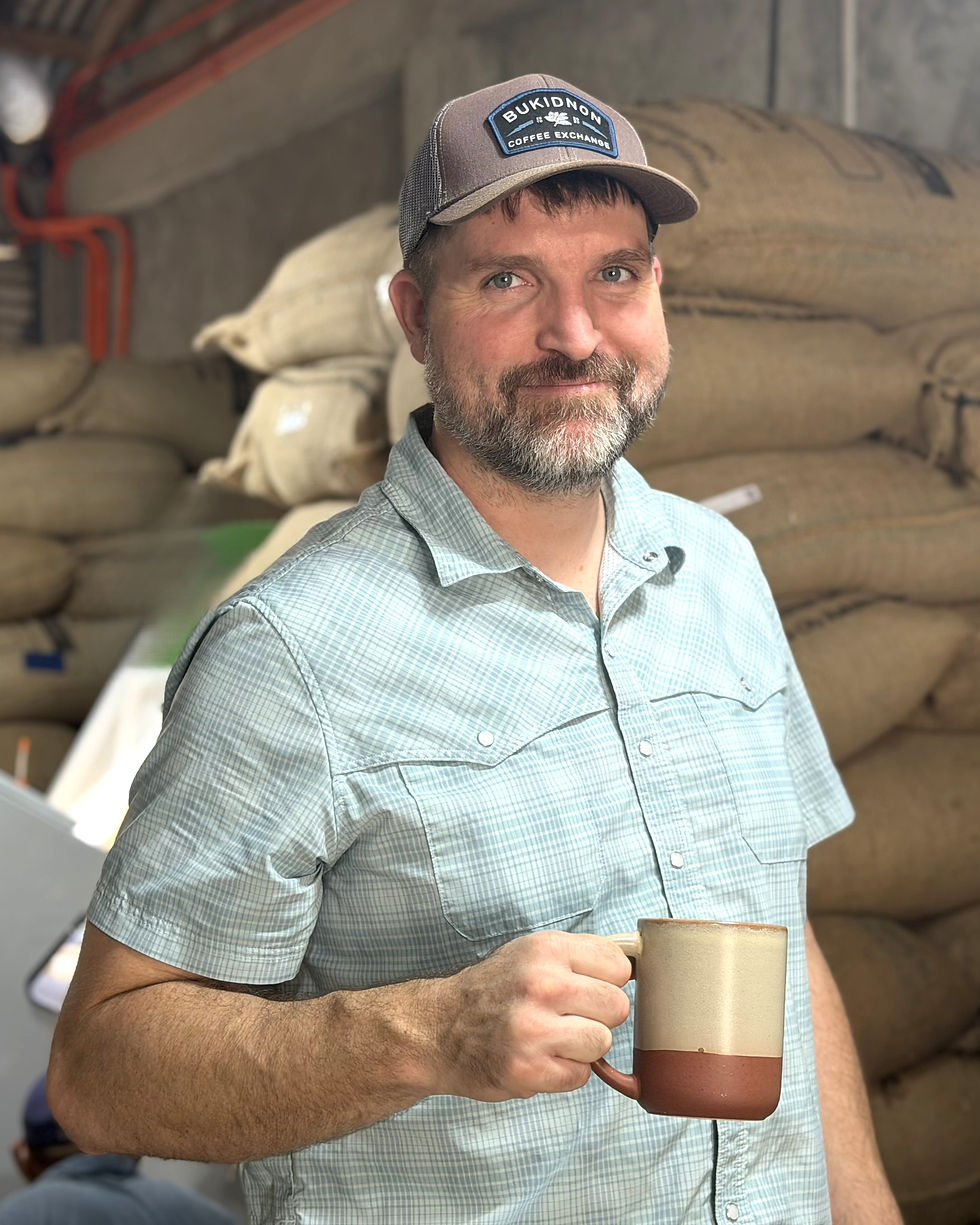
“Picking the best coffee is like picking the prettiest girl in a beauty competition,” says Casey Burnett, an American missionary who’s from South Carolina but is now living in Bukidnon. “We all have different preferences!”
He recalls, “Coffee is one of the businesses I first learned about when I lived in China, then moved to the Philippines back in 2010,” says Burnett.
Coffee varieties
The Philippines is one of the few countries in the world where four commercially viable coffee varieties are grown: Arabica, Liberica, Excelsa, and Robusta.
Arabica is the most widely produced coffee type. It is an early producer, yielding berries two years post-transplantation. Typically, a well-maintained one-hectare farm can generate 1,000 kilograms of green beans.
Robusta exhibits greater adaptability compared to Arabica. It produces berries four years after being transplanted. A properly cared-for one-hectare plot can yield approximately 1,200 kilograms of green coffee beans annually.
Liberica, often referred to as “kapeng barako,” produces the largest berries. It is distinguished by its robust flavor and color. This variety is resistant to drought and bears fruit 4-5 years after transplantation. A one-hectare farm can yield around 1,000 kilograms per year.
Excelsa resembles Liberica but is characterized by its smoother, thinner, and more rounded leaves with a smooth edge. Its bearing age is also 4-5 years post-transplantation, with an estimated annual yield of 1,000 kilograms per hectare.
“In my opinion, Arabica reigns supreme when compared to Robusta, Excelsa, or Liberica," Burnett said.

Harvesting
Coffee is typically harvested annually during the dry season. This period is essential as the arid conditions aid in the effective processing of the coffee cherries. Farmers generally handpick the mature coffee cherries to guarantee that only the highest quality beans are collected. This careful method contributes to preserving the overall quality and flavor profile of the coffee.
“Mature cherries have reached an appropriate sugar content," Burnett said. “This promotes enhanced fermentation and complex flavors, unlike unripe cherries that can taste bland and bitter.”
Following the harvest, the freshly picked ripe cherries should be quickly submerged in clean water. "Soaking the cherries in water right after harvest is a practical and efficient technique to remove damaged or unripe cherries," he explained. "It is considerably faster to sort while the cherries are still fresh than after they have dried."
Fermentation
Fermentation in coffee denotes the biochemical process in which microorganisms, mainly yeast and bacteria, decompose sugars and other substances found in coffee cherries following their harvest. This process takes place prior to the drying or hulling of the beans and is crucial for the development of the coffee’s flavor profile.
Throughout the fermentation process, the mucilage (a viscous layer encasing the beans) is degraded, facilitating the emergence of cleaner and more vibrant flavors in the finished product.
There are four types of coffee fermentation:
Washed process: Following depulping, the beans are immersed in water tanks for fermentation. This technique generally yields a cleaner and more vibrant flavor profile.
Natural process: The coffee cherries are dried whole, permitting fermentation to take place within the fruit. This approach frequently results in fruit-forward flavors and a fuller body.
Anaerobic fermentation: The beans undergo fermentation in an environment devoid of oxygen, which can produce distinctive flavors while enhancing sweetness and acidity.
Honey process: This is a hybrid technique where some mucilage remains on the beans during the drying process, achieving a balance between acidity and sweetness.
“The washed process (involving pulping and fermentation) typically lasts about 4-7 days for parchment, in contrast to the natural process (which involves drying whole cherries without pulping) that can take 4-6 weeks,” Burnett said.
Drying
The process of drying coffee post-fermentation is crucial for multiple reasons. Firstly, it eliminates the sticky mucilage that can lead to undesirable flavors. Secondly, drying facilitates the development of flavor precursors, organic acids, and aroma compounds, which will subsequently change during the roasting process.
Effective drying guarantees that the coffee beans achieve an ideal moisture level, generally between 10-12%, which is vital for their storage and transportation. The drying process can also influence the flavor profile of the coffee, resulting in a range of tastes from bright and clean to rich and complex.
Drying, however, must adhere to specific standards. “The ideal moisture content should not exceed 12.5%,” Burnett noted. “Achieving a moisture level of 11% is even more advantageous. If the moisture content is excessively high, such as 13-14%, the beans may begin to develop mold, which can significantly reduce the coffee’s value.”
Hulling
Hulling is essential in coffee for various reasons. Firstly, it prevents spoilage. By eliminating the parchment layer, hulling safeguards the beans from moisture and contaminants, which can result in spoilage and deterioration of the beans. Secondly, hulling enhances flavor and aroma. It facilitates more uniform drying of the beans, which can improve their flavor and aroma, thereby contributing to the overall quality of the coffee.
Likewise, it enhances quality and appearance. Hulling guarantees that the beans are consistent in size and color, which is vital for the quality and presentation of the final coffee product. Most importantly, it extends shelf life. By lowering the moisture content in the beans, hulling prolongs their shelf life, making them more appropriate for storage and transportation.
Sorting beans
Following the hulling process, only the finest beans are chosen. “We possess a color sorter that assists us in accomplishing this swiftly,” he mentioned. “The majority of individuals hand sort, which is quite costly. If you are located in Mindanao, we provide our color sorting service to any growers who may require it.”
Regarding the necessity of sorting the beans, he pointed out, “Small, damaged, and sour beans each impart a distinct flavor. An excessive number of these in the blend can result in a cup of coffee that tastes bitter or ‘phenolic.’ There are various types of defects, but we educate our staff to identify them when purchasing green coffee beans.”
Roasting
Roasting is essential for converting raw, green coffee beans into a flavorful, aromatic, and consumable product. This process employs heat to initiate crucial chemical transformations that change the undesirable, plant-like, or woody characteristics of raw beans into the well-known nutty, chocolatey, and acidic flavors, while also rendering them sufficiently brittle for grinding.
Burnett handles the roasting of the coffee beans. “For our 15-kilogram roaster, a standard batch takes between 14 to 18 minutes,” he noted.
After the roasting process, the beans are cooled quickly. They allow them to rest prior to grinding. “If our customers request whole beans, we can package them immediately after they cool, as our bags are equipped with a one-way valve to facilitate the degassing of the beans,” he explained.
The roasted beans are placed into large bulk bags. Then we put them in smaller 1-kilogram, 500-gram, or 250-gram bags.
“Coffee is an upper,” remarks Nestor Cuartero, a prominent lifestyle journalist. “It invigorates the senses. It initiates my day. Occasionally, I indulge in a second cup during the afternoon or post-lunch when I am with friends. I prefer my coffee brewed. Coffee helps reduce the likelihood of headaches for me.”
Janoz Laquihon, an entrepreneur, consultant, and farmer, also confesses, “I typically consume it two to three times daily, utilizing a pour-over method to fully appreciate the flavors that the coffee presents. Once in the morning, again after lunch, and after dinner with my wife or friends.”
Coffee, anyone?


